HomeJuteAgroMarketsGuidesAboutContactRequest a Quote
Agro · Vegetables

Fresh Vegetables

Diaspora shelves sell out of the right varieties fast, when a supplier can actually deliver them fresh. We export fresh, specialty and ethnic vegetables from Bangladesh, harvested, graded and pack-house handled for UK, EU and GCC buyers serving diaspora and wholesale markets.

Vegetable export details
RangeBitter gourd, potol/pointed gourd, okra, long bean, brinjal, taro, drumstick, green chilli, bottle gourd
HandlingSorted, graded, pack-house packed
LogisticsAir freight (specialty) & reefer sea
CompliancePhytosanitary; GlobalG.A.P. targeted
MarketsUK, EU, UAE, KSA, Qatar
PackingBuyer-spec cartons
Bitter gourdPotolOkraLong beanBrinjalTaroDrumstickGreen chilliBottle gourd

Why buyers choose this line

Specialty & ethnic

The exact varieties diaspora & wholesale buyers want.

Compliance-led

Phytosanitary handling; GlobalG.A.P. pathway.

Cold-chain

Pack-house to port handling to protect freshness.

UK & GCC

Built for the markets that import most BD veg.

We export to Germany, the Netherlands, the UK, France, the UAE, Saudi Arabia and across the GCC, with documentation, inspection options (SGS / Bureau Veritas) and FCL loading on request.

Request a quote for Fresh Vegetables
The Range

Specialty and Ethnic Vegetables We Export

Bangladesh is one of the world's most productive sources of specialty and ethnic vegetables, with the Bangladesh Fruits Vegetables & Allied Products Exporters' Association (BFVAPEA) representing exporters of more than 57 commercially traded vegetable types. Zayin Agro focuses on the varieties with established demand in UK, EU and GCC diaspora wholesale and retail markets. Representative varieties include:

  • Bitter gourd (karela / korola), one of the most consistently demanded lines, purchased by South Asian wholesalers across the UK year-round where supply allows.
  • Pointed gourd (potol / parwal), a delicate summer-season vegetable with concentrated demand in Bangladeshi and North Indian diaspora communities.
  • Okra (ladies finger / dherosh), a versatile line with broad demand across South Asian, Middle Eastern and African diaspora retail.
  • Long bean (borboti), exported primarily for South Asian households; robust shelf-life relative to other air-freight lines.
  • Brinjal (eggplant), multiple types shipped for diaspora retail across the UK and GCC.
  • Taro (kachur chora / eddo root), steady demand from Bangladeshi, Caribbean and West African communities in the UK.
  • Drumstick (shojne), an increasingly popular line for both South Asian and health-food buyers.
  • Teasel gourd (kakrol), a distinctively Bangladeshi variety, primarily air-freighted to UK ethnic wholesalers.
  • Green chilli, high-volume, year-round demand across all diaspora retail channels in UK and GCC.
  • Bottle gourd (lau / laow), a staple line for Bangladeshi and South Asian diaspora households.
  • Ribbed gourd (jhinga), sponge gourd (parul), ribbed gourd and others, subject to season and buyer confirmation.

All varieties are subject to season, crop confirmation and phytosanitary clearance. Contact our agro team for current availability against your target window.
Seasonality

Fresh Vegetable Availability Calendar

Bangladesh's subtropical climate supports year-round vegetable cultivation, though peak availability and quality windows vary by crop. The table below gives representative seasonal guidance, buyers should confirm exact windows at the time of enquiry, as growing conditions vary year to year.

Bangladesh Specialty Vegetable Seasonality, Representative Guide
Bitter gourd (karela)Peak: March–October; limited supply Nov–Feb. Air-freight window aligns with warm season.
Pointed gourd (potol)Peak: April–September. Sensitive variety; air-freight only.
Okra (ladies finger)Available most of year; peak quality March–October.
Long bean (borboti)March–November peak; good transit shelf-life by air.
Brinjal (eggplant)Near year-round availability; peak Oct–April.
Taro (kachur chora)Harvest July–November; good storage life relative to other lines.
Drumstick (shojne)Peak February–May and again Sept–November.
Teasel gourd (kakrol)Peak May–September; primarily air-freighted for UK market.
Green chilliYear-round availability; quality peak October–April noted in trade data.
Bottle gourd (lau)Near year-round; peak availability March–October.

All dates are approximate and subject to growing conditions. We plan export windows with buyers 4–6 weeks in advance to align harvest, pack-house scheduling and airfreight capacity. For time-sensitive retail programmes, for example, timed around Ramadan, Eid or Bengali festivals, early planning is strongly recommended.

Handling & Logistics

Air Freight, Pack-House and Cold Chain

Air freight is the standard mode for specialty and ethnic vegetables from Bangladesh to the UK and GCC, and for good reason. Many of the varieties above have shelf lives of 5–10 days at destination, meaning the total transit time from harvest to delivery must be tightly controlled. The air-freight chain from Bangladesh runs typically 24–36 hours gate-to-gate, making it the only viable option for delicate lines like pointed gourd, bitter gourd and teasel gourd.

Our pack-house process is designed around this constraint. Produce is collected from grower networks and brought to our facility, where it is sorted and graded by hand to remove damaged, bruised or undersized units, key steps that protect shelf life and reduce claims at destination. Approved produce is packed into ventilated cartons to buyer specification (typically 3–5 kg nets or equivalent), pre-cooled, and handed over to our airfreight forwarder at Hazrat Shahjalal International Airport within hours of packing. We use IATA-compliant temperature-stable packaging for delicate lines.

For hardier lines, brinjal, taro, bottle gourd, reefer sea-freight via Chittagong Port is an option for larger volume programmes, significantly reducing landed cost. We can discuss mixed-mode programmes depending on your portfolio mix and frequency requirements.

Compliance

Phytosanitary Standards and UK / EU / GCC Market Access

Every fresh vegetable consignment exported by Zayin Agro is accompanied by a phytosanitary certificate issued by Bangladesh's Department of Agricultural Extension (DAE) following inspection at the authorised packing station. This is the mandatory plant health document required by UK, EU and GCC customs authorities and cannot be omitted from any consignment. Produce that does not pass phytosanitary inspection, for pesticide residues, pest presence or hygiene failures, is rejected at packing stage, not at destination.

The UK's post-Brexit phytosanitary import regime (managed through APHA) requires advance PEACH notification and physical inspection at border control posts for high-risk produce. We coordinate this paperwork as part of our standard export service. For EU consignments, TRACES NT notification and EU phytosanitary import documentation are handled through our customs broker. GCC phytosanitary requirements vary by member state; UAE, Saudi Arabia and Qatar each have specific import permit requirements which we obtain prior to shipment.

GlobalG.A.P. farm-level certification is on our compliance roadmap and available on request, please ask about current status at the time of your enquiry. For detailed compliance guidance, see our GlobalG.A.P. produce export compliance guide and certifications page.

Target Markets

UK and GCC, Where Bangladesh Vegetables Are in Demand

The UK is the dominant export market for Bangladesh specialty vegetables. An estimated 600,000+ people of Bangladeshi heritage live in the UK, concentrated in London (Tower Hamlets, Newham, Waltham Forest), Birmingham, Manchester and Bradford. This community generates consistent retail demand for the full range of Bangladeshi specialty vegetables, varieties that are often unavailable from any other origin. The wholesale channels serving this demand are well-established: cash-and-carry operators, ethnic-food importers and market traders who receive regular consignments from Bangladesh, typically two to four times per week during peak season via direct air.

The GCC, particularly the UAE (Dubai, Abu Dhabi), Saudi Arabia (Riyadh, Jeddah) and Qatar (Doha), is the second major corridor. Bangladesh has one of the world's largest migrant worker populations in the Gulf, and demand for familiar vegetables in this community is served by ethnic grocers and hypermarkets with dedicated South Asian fresh-produce sections. Halal sourcing is standard across our supply chain. For GCC-specific buyer requirements, see our UAE and GCC market page.

UK ethnic wholesale GCC diaspora retail Netherlands distribution Germany South Asian retail Saudi Arabia import Qatar fresh produce
Good to know

Buyer FAQ, Fresh Vegetables from Bangladesh

Which specialty vegetables do you export from Bangladesh?

Our representative range includes bitter gourd (karela), pointed gourd (potol), okra, long bean (borboti), brinjal, taro, drumstick, teasel gourd (kakrol), green chilli and bottle gourd, among others. The exact crop list is subject to season and confirmed with each buyer before booking. Bangladesh's growing base covers 57+ commercially traded vegetable types; if you are looking for a specific variety not listed here, contact us to discuss.

How are Bangladesh vegetables transported to the UK and GCC?

Delicate specialty vegetables, bitter gourd, potol, kakrol, ladies finger, are shipped by air freight from Hazrat Shahjalal International Airport, Dhaka. Transit time to London Heathrow is typically 10–14 hours flight time, with total gate-to-gate turnaround (including packing and customs) of 24–48 hours. Hardier lines such as brinjal, bottle gourd and taro can be shipped by reefer sea freight via Chittagong for larger volume programmes at lower unit freight cost.

What is the vegetable export season from Bangladesh?

Most specialty vegetables are available from March through October, with some lines (brinjal, green chilli) available near year-round. Pointed gourd (potol) and teasel gourd (kakrol) are summer-only lines, peaking May–September. Winter availability of most lines is reduced. We recommend planning export programmes at least 4–6 weeks in advance of your target arrival window, particularly for Ramadan, Eid and Bengali festival peaks.

Do you have phytosanitary certification for UK and EU import?

Yes. Every consignment is accompanied by a phytosanitary certificate from Bangladesh's Department of Agricultural Extension (DAE), issued following inspection at our authorised packing station. This is the mandatory plant health document for UK (via APHA) and EU (via TRACES NT) import. We handle all phytosanitary documentation as part of our standard export service. GlobalG.A.P. farm-level certification is on our roadmap, ask us for current status.

Can you supply for Ramadan or festival peaks?

Yes, and we recommend booking early. Demand for specialty vegetables spikes significantly during Ramadan, Eid ul-Fitr and Eid ul-Adha, as well as Bengali New Year (Pohela Boishakh) in April. Airfreight capacity from Bangladesh fills quickly during these windows. Contact us 6–8 weeks before your peak date to confirm availability, pricing and booking.

What documentation do you provide to wholesale buyers?

Standard documentation includes: phytosanitary certificate, commercial invoice, packing list, airway bill (or bill of lading for sea freight), and certificate of origin. Third-party pre-shipment inspection reports from SGS or Bureau Veritas are available on request. GlobalG.A.P. and halal sourcing documentation are available, please ask at the time of your enquiry.

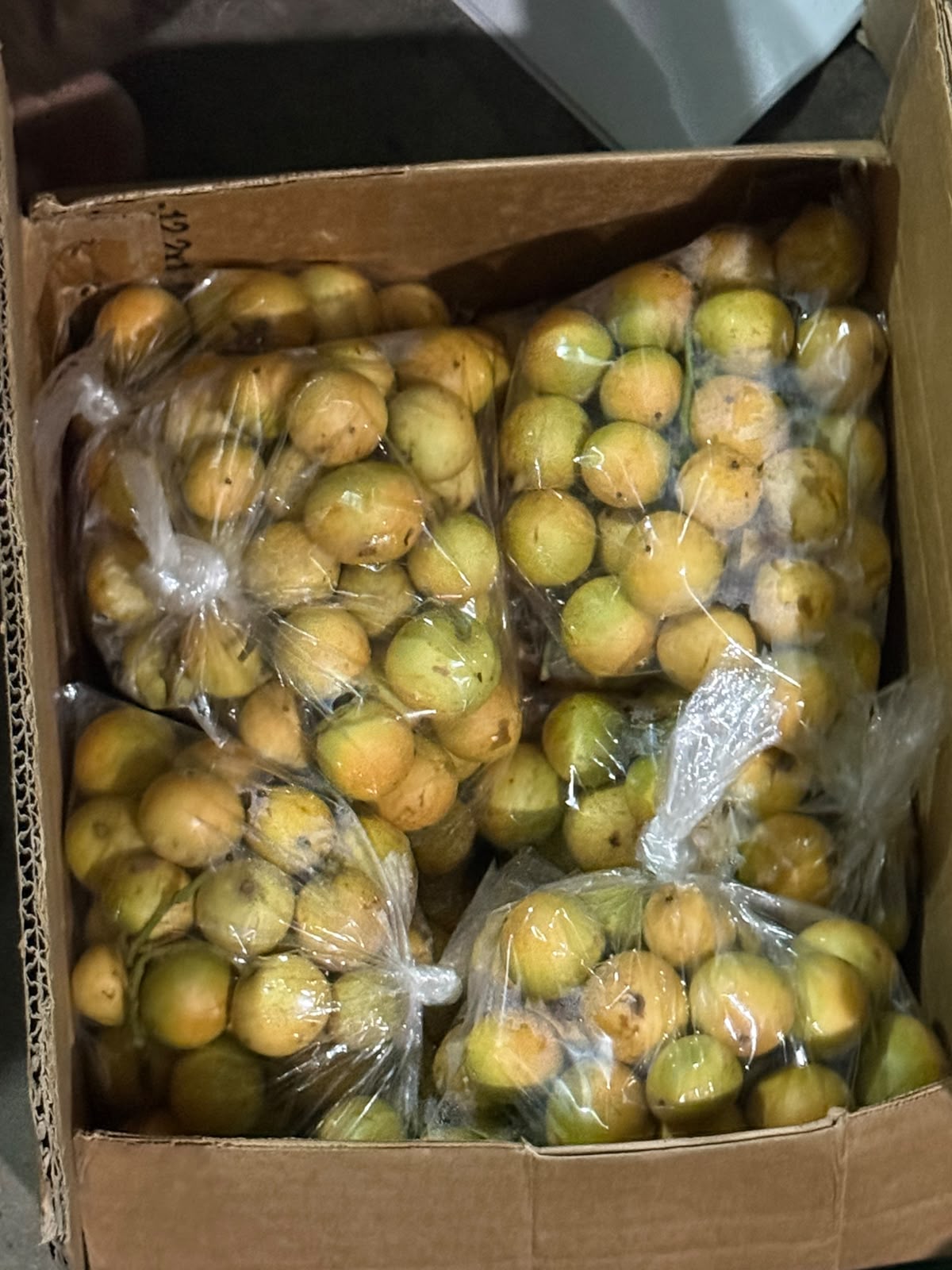
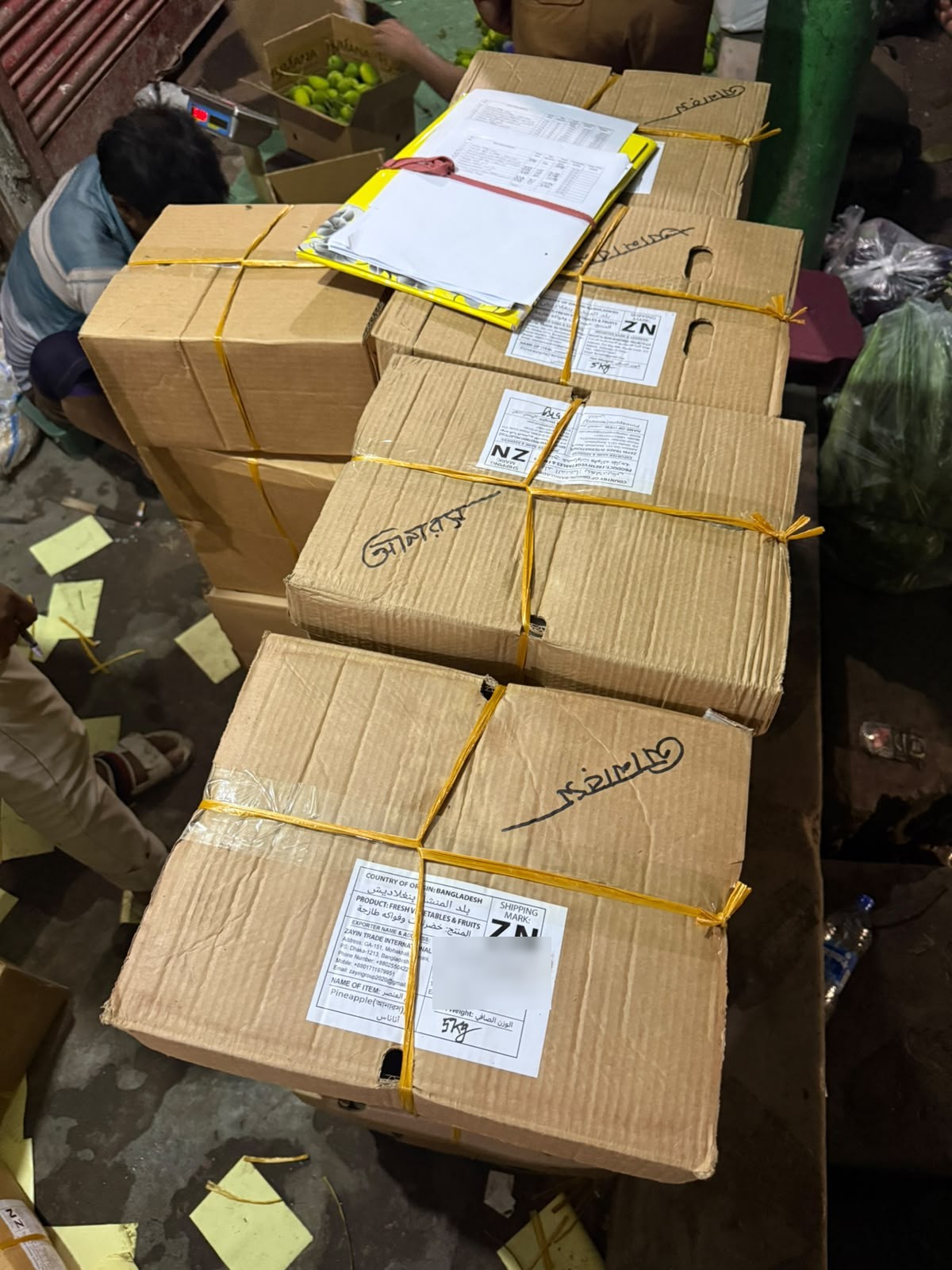
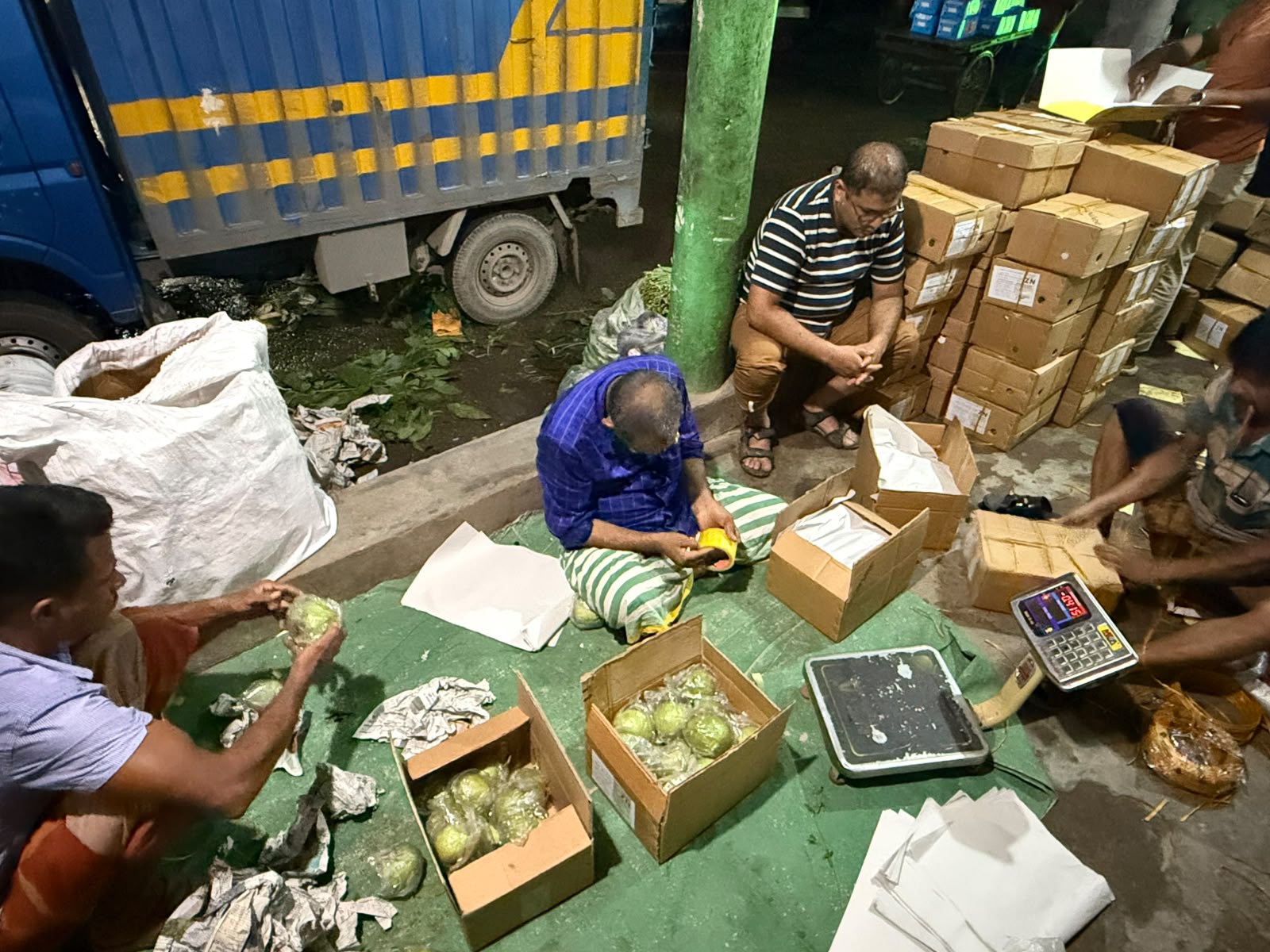
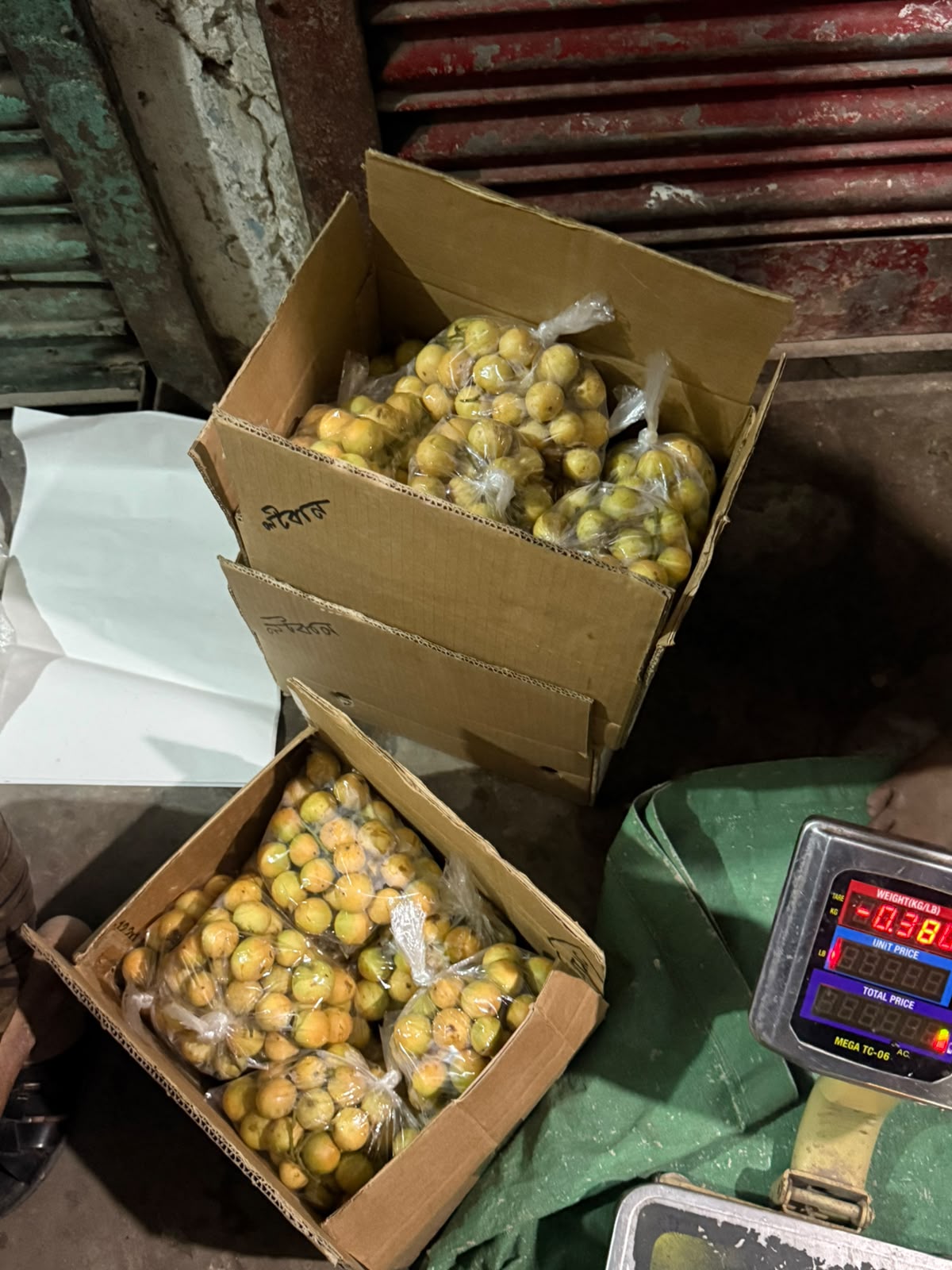
Inside the pack-house

Graded, packed and export-ready

How a Zayin Agro consignment is handled, sorted and graded, bagged, weighed and boxed into labelled export cartons for GCC and EU buyers.

Fresh cabbage graded and bagged for export packing
Fresh cabbage graded and bagged for export
Boxed produce weighed on a scale during pack-out
Every carton weighed and checked at pack-out
Fresh produce hand-packed into retail bags inside an export carton
Hand-packed into retail bags and cartons
Zayin export carton labelled for fresh vegetables and fruits, country of origin Bangladesh
Export carton for fresh vegetables & fruits, origin Bangladesh

Related: Fresh Fruits, Markets and Compliance

If you also source tropical fruits, our Fresh Fruits from Bangladesh page covers mango varieties (Amrapali, Himsagar, Langra, Haribhanga), jackfruit, guava and litchi with full seasonality and handling detail. For market-specific import requirements, see our UAE and GCC and United Kingdom market pages. Compliance and certification documentation is summarised on our certifications page. Ready to source? Request a quote and our agro team will respond within two business hours.

07 Request a quote

Send your spec. Get a real quote within 2 hours.

  • Specs, MOQ, pricing and lead times. Clear numbers, no runaround.
  • Talk to a specialist for your division & market.
  • Samples and certificate documents on request.
Zayin Group
House 29 (D2), Road 09, Block-G, Banani, Dhaka-1213, Bangladesh
Phone: +880 2 5504 2274 · +880 1711 979951
Email: sales@zayingroup.com

Get a Quote

Short on purpose. Branches by division.

Prefer chat? Message us on WhatsApp →