

Why the UAE Sources Fresh Vegetables from Bangladesh
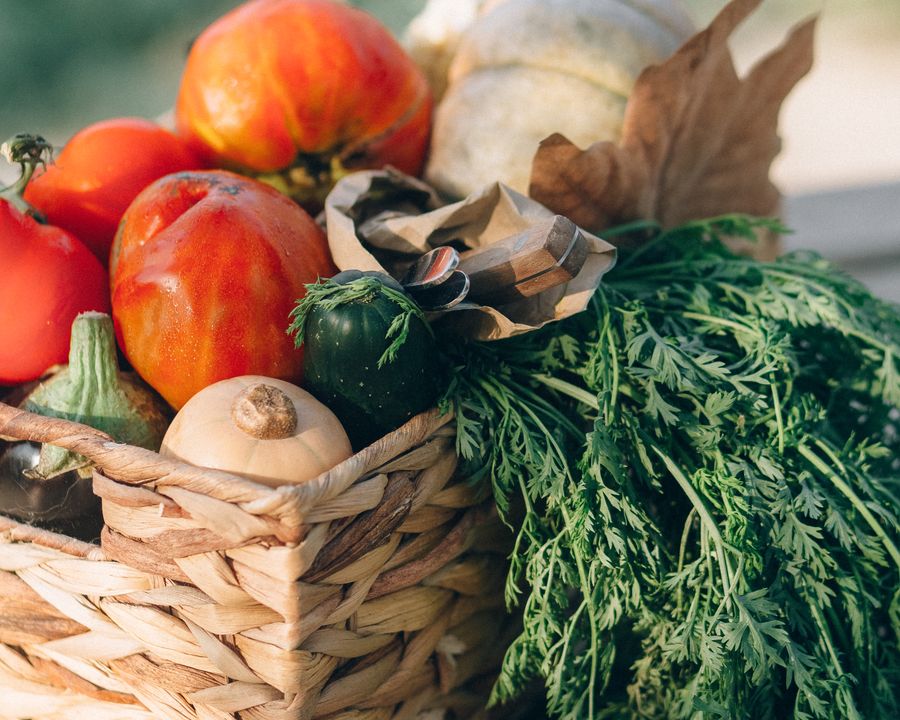
The UAE imports between 80 and 92 percent of its food requirements, making it one of the most import-dependent food economies in the world. Bangladesh has emerged as a significant and growing origin for fresh vegetables reaching the UAE, with exports surging 313 percent year-on-year in FY2024–25 to reach 58,766 tonnes, the largest single-year volume increase in Bangladesh's agricultural export history. The primary commodities are potato (over 40,000 tonnes), fresh vegetables including cabbage, sweet pumpkin, green chilli, bitter gourd, bottle gourd, taro, and cauliflower, which align closely with the dietary preferences of the UAE's 1 million-strong Bangladeshi expatriate community and broader South Asian population.
Bangladesh is one of the very few origins capable of supplying volume, variety, and value simultaneously to GCC food importers. Competitively priced against Indian and Pakistani origins, Bangladeshi produce arrives at Jebel Ali port, the UAE's primary deepwater facility and the GCC's principal re-export hub, within 15 to 25 days by reefer container from Chittagong. The Dubai Central Fruits and Vegetable Market (Al Aweer) functions as the gateway through which Bangladeshi produce reaches food service, wholesale, and retail buyers across the UAE, Saudi Arabia, Qatar, Oman, and East Africa.
For UAE importers seeking a reliable Bangladeshi vegetable supplier, Zayin Trade International offers consolidated supply of fresh produce alongside jute gunny sacks and packaging, a single-supplier relationship that reduces administrative complexity for buyers managing both commodity and packaging sourcing from Bangladesh.