HomeJuteAgroMarketsGuidesAboutContactRequest a Quote
Markets · the Netherlands

Zayin for the Netherlands

The Netherlands is Europe's jute gateway, and Dutch buyers will not accept paperwork that stalls a Rotterdam clearance. Zayin supplies Dutch importers with food-grade sacking, hessian and burlap cloth and jute geotextile, built to EU standards, routed via Rotterdam, with full export documentation.

Local fit

Why source from Zayin into the Netherlands

EU standards

Food-contact & spec documentation for Dutch buyers.

Rotterdam

Efficient routing into the EU's main port.

Mill-direct

Competitive pricing without intermediaries.

PPWR-ready

Natural fibre aligned to EU packaging rules.

Sourcing Jute Bags from Bangladesh for the Netherlands Market

The Netherlands is one of Europe's most active importing markets for Bangladeshi jute bags and hessian, recording 323 shipments from 54 foreign exporters to 91 Dutch buyers in the most recent twelve-month period tracked by trade intelligence data. Dutch importers range from specialist natural-fibre packaging wholesalers to food-industry sack buyers, promotional product distributors, and geotextile procurement teams. Rotterdam, the largest port in Europe, is the primary entry point for Bangladeshi jute goods destined for the Dutch market and for onward distribution across Germany, Belgium, France, and Scandinavia.

Bangladesh is the world's principal origin for export-grade jute goods, accounting for the large majority of global production. For Dutch wholesale buyers, sourcing direct from a Bangladeshi exporter rather than through European intermediaries typically delivers significant cost advantages while maintaining the product quality and lead times the Netherlands market demands. Zayin Trade International works with established jute mills and weavers across the Dhaka, Narayanganj, and Khulna jute belts to supply sacks, hessian fabric, geotextile, and food-grade bags to specification.

PRODUCT RANGE

Jute Products Available for Netherlands Wholesale Buyers

Jute Sacks & Gunny Bags

Standard woven jute sacks in 25 kg, 50 kg, and 100 kg formats for agricultural commodities including potato, onion, and grain. Available plain or stencilled. HS code 6305.10. Currently benefit from 0% EU EBA duty from Bangladesh origin.

Food-Grade Jute Bags

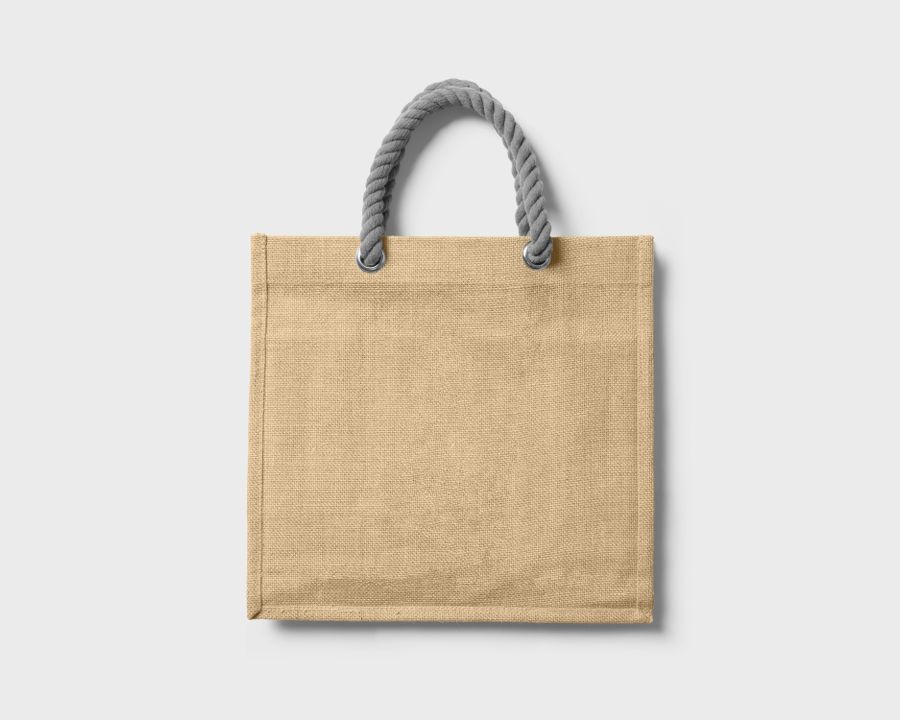
Laminated and treated jute bags for direct food contact with cocoa, coffee, grain, and spices. Manufactured under HACCP-aligned protocols. MOSH/MOAH test reports available on request. Compliant with ECF/ECA February 2026 Joint Industry Specification for food-contact jute.

Hessian Fabric & Rolls

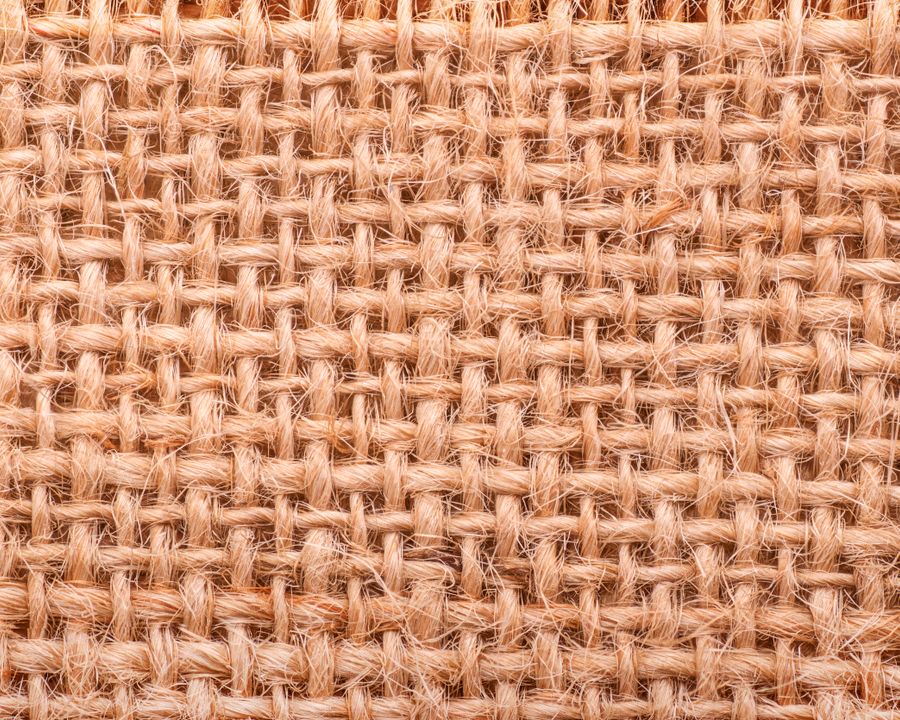
Woven hessian in standard widths (36", 40", 45", 54") and custom weights (280–450 gsm) for geotextile, erosion control, landscaping, and packaging applications. Available bleached and natural. HS code 5310.10.

Geotextile & Erosion Control

Woven and non-woven jute geotextile for infrastructure, road, and riverbank stabilisation projects. Biodegradable, EU project-ready specification available. Increasingly specified in Dutch water management and dike reinforcement projects as a sustainable alternative to synthetic geosynthetics.

EU Packaging Regulation (PPWR) and What It Means for Dutch Jute Buyers

The EU Packaging and Packaging Waste Regulation (PPWR), Regulation EU 2025/40, entered into force on 11 February 2025 and applies from 12 August 2026. For Dutch importers of jute bags and sacks, the headline finding is that jute falls under the textile exemption (Article 6(11)(g)) from PPWR recyclability design requirements and is exempt from the recycled-content minimums, which apply only to plastic packaging.

However, three requirements do apply to all packaging materials including jute: PFAS restrictions (25 ppb aggregate)heavy metals cap, and the obligation to provide a Declaration of Conformity for all packaging placed on the EU market from August 2026. Dutch buyers sourcing jute for the first time, or reviewing existing supplier compliance, should request a Declaration of Conformity and PFAS/heavy metals test reports from their Bangladesh supplier. Zayin Trade International can provide these documents on request.

A separate and immediately relevant development for food-contact jute buyers: the ECF/ECA Joint Industry Specification (February 2026, replacing IJO98/01) sets direct limits of 250 mg/kg MOSH and 25 mg/kg MOAH for jute used in contact with food (notably cocoa, coffee, grain, and spices). Approximately 45 percent of current jute production does not meet the new MOAH limit. Dutch importers of food-grade jute bags are strongly advised to verify compliance before the February 2026 effective date. Zayin maintains production aligned to the new specification and can provide test reports.

Rotterdam Logistics and Landing Costs for Jute Imports from Bangladesh

Rotterdam is the standard European entry point for Bangladeshi jute goods. Transit time from Chittagong is approximately 37 to 38 days, typically routing via Colombo (Sri Lanka) or Singapore as transshipment hubs. Goods enter via Portbase, Rotterdam's Port Community System, and clear EU customs under the relevant TARIC heading.

Under the EU EBA scheme, jute bags classified under HS 6305.10 from Bangladesh currently attract 0% import duty. This requires a valid REX (Registered Exporter) Statement on Origin or a Form A GSP certificate, it is important to note that approximately 85 percent of Bangladesh jute shipments to the EU do not claim the EBA rate due to missing origin documentation. Dutch buyers should explicitly confirm REX registration with their supplier to capture this duty benefit. Post-LDC graduation (transition period to November 2029), the applicable MFN rate for hessian fabric (HS 5310.10) rises to 4%.

Upon arrival in Rotterdam, additional cost items include Terminal Handling Charges (THC), EPR (Extended Producer Responsibility) registration if goods are placed on the Dutch market as packaging, and VAT at the applicable Dutch rate. Dutch importers acting as customs declarants should ensure their supplier provides accurate HS code classification, the distinction between 6305.10 (sacking bags) and 4202 (tote-style lifestyle bags) is a common misclassification risk that affects duty rates and customs processing.

FREQUENTLY ASKED QUESTIONS

Jute Bags Netherlands, Wholesale Buyer Questions

How do I import jute bags wholesale from Bangladesh to the Netherlands?

The process begins with a specification and volume enquiry to Zayin Trade International. Once specification and pricing are agreed, Zayin raises a proforma invoice, organises production, and coordinates Chittagong loading. Goods arrive in Rotterdam in approximately 37–38 days. You will need an EORI number for EU customs clearance, and Zayin will supply a complete shipping file including commercial invoice, packing list, bill of lading, and REX Statement on Origin for 0% EBA duty.

Are jute bags from Bangladesh compliant with EU PPWR (Regulation EU 2025/40)?

Yes. Jute is exempt from PPWR recyclability design requirements (textile exemption, Article 6(11)(g)) and from recycled-content minimums (plastic packaging only). All jute packaging must still comply with PFAS restrictions (25 ppb aggregate) and heavy metals caps, and suppliers must provide a Declaration of Conformity from August 2026. Zayin can provide both test reports and a DoC on request.

What certifications should I ask for when buying jute bags for the Dutch market?

For standard wholesale jute bags: BSCI or SEDEX social compliance audit, OEKO-TEX Standard 100 (if customer-facing), and a Declaration of Conformity for PPWR. For food-contact jute (cocoa, coffee, grain): MOSH/MOAH test reports aligned to the ECF/ECA February 2026 specification, HACCP documentation, and ISO 22000 where required. All are available on request from Zayin.

What is the MOQ for wholesale jute bags to the Netherlands?

Minimum order quantities are typically 5,000 pieces per specification for standard jute sacks and bags. Custom-printed or custom-sized orders may have higher MOQs. Sample orders of 50–200 pieces are available prior to commercial commitment.

How long does shipping take from Bangladesh to Rotterdam?

Approximately 37 to 38 days by sea from Chittagong to Rotterdam, routing via Colombo or Singapore. Production lead time before loading is 25–35 days for standard specifications. Total order-to-Rotterdam time for a new order is approximately 8–11 weeks from purchase order confirmation.

Is there a 0% import duty on jute bags from Bangladesh in the EU?

Yes, under the EU EBA (Everything But Arms) scheme, jute sacks classified under HS 6305.10 from Bangladesh attract 0% import duty. This requires a valid REX Statement on Origin or Form A certificate. Bangladesh's LDC graduation transition runs to November 2029, so the 0% rate is expected to remain available through that period. Confirm REX registration with your supplier before shipment.

Start Your Jute Import from Bangladesh

Dutch wholesale buyers and procurement teams can request a quote with product specification, target weight/size, and estimated annual volume. Zayin Trade International will respond with a sample offer, production lead time, and indicative CIF Rotterdam pricing. Explore the full food-grade jute bag range for specifications relevant to cocoa, coffee, and grain contact applications.

07 Request a quote

Send your spec. Get a real quote within 2 hours.

  • Specs, MOQ, pricing and lead times. Clear numbers, no runaround.
  • Talk to a specialist for your division & market.
  • Samples and certificate documents on request.
Zayin Group
House 29 (D2), Road 09, Block-G, Banani, Dhaka-1213, Bangladesh
Phone: +880 2 5504 2274 · +880 1711 979951
Email: sales@zayingroup.com

Get a Quote

Short on purpose. Branches by division.

Prefer chat? Message us on WhatsApp →