Buy jute from the mill that makes it, not a trader marking it up. Direct from our own mill: food-grade sacking bags, hessian cloth, yarn, rope, geotextile and raw jute, manufactured to exact buyer specifications and exported to Europe, the UK and the GCC.
EPB Registered Dept. of Jute Licensed BFVAPEA Member Horticulture Export Reg. DCCI MemberExplore our full credentials
Why Bangladesh Leads the World in Jute Products Manufacturing
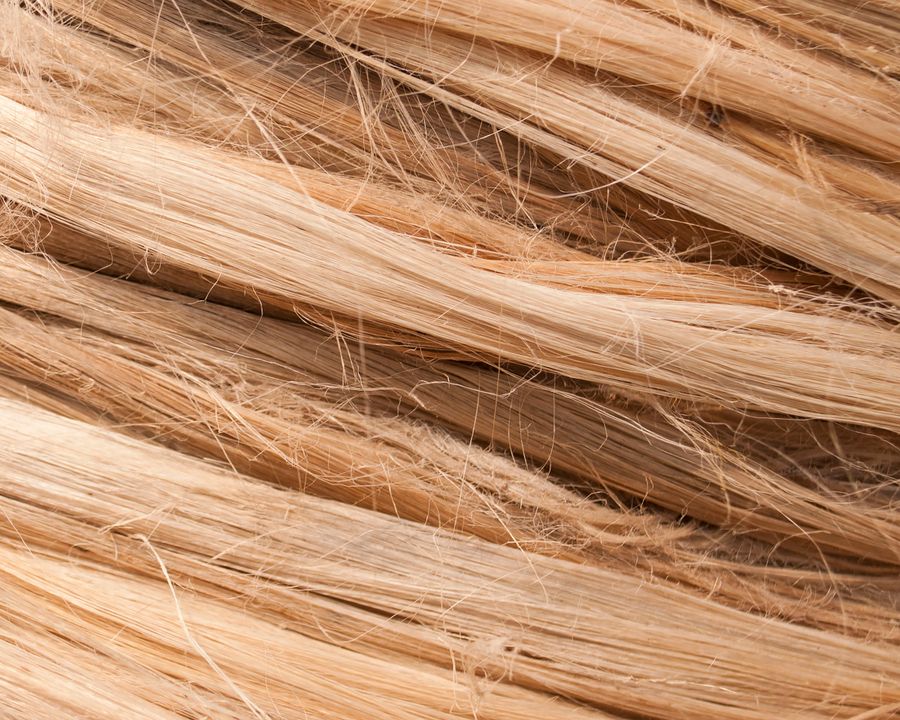
Bangladesh is the world's largest exporter of jute goods and the second-largest producer of raw jute, a position built over decades through geography, agricultural expertise, and industrial scale. The Brahmaputra-Ganges delta delivers the precise combination of alluvial soil, humidity, and seasonal flooding that produces the longest, finest-grade jute fibre available anywhere. This natural advantage is irreplaceable: no other growing region consistently achieves the same fibre tensile strength and uniformity that Bangladesh jute commands.
The national industry comprises approximately 291 registered jute mills and engages an estimated 4.5 million people across growing, retting, spinning, weaving, and finishing. That depth of value chain means that when a European importer or a GCC commodity trader sources from Bangladesh, they are drawing on an industrial ecosystem, not an isolated supplier. In FY2024–25, jute bag exports grew by 18.51% year-on-year, reaching USD 125.96 million, reflecting accelerating demand as global buyers shift away from single-use plastics under regulatory pressure. For procurement managers in Germany, the Netherlands, the UK, and France navigating the EU Single-Use Plastics Directive and the Packaging and Packaging Waste Regulation (PPWR), Bangladesh jute is no longer simply a commodity preference, it is a compliance pathway.
As a jute products manufacturer Bangladesh buyers in Europe and the GCC trust, Zayin Trade International sources and manufactures from within this ecosystem, combining mill-level control with the documentation and inspection rigor that international trade demands.
OUR FACILITY
Mill-Direct Manufacturing & Full Vertical Integration
Yarn to Finished Bag
Fully vertical production, from raw fibre and yarn through weaving, stitching, and finishing under one operational roof. This eliminates subcontracting risk and keeps quality consistent across every production run.
Custom Weave & Dimensions
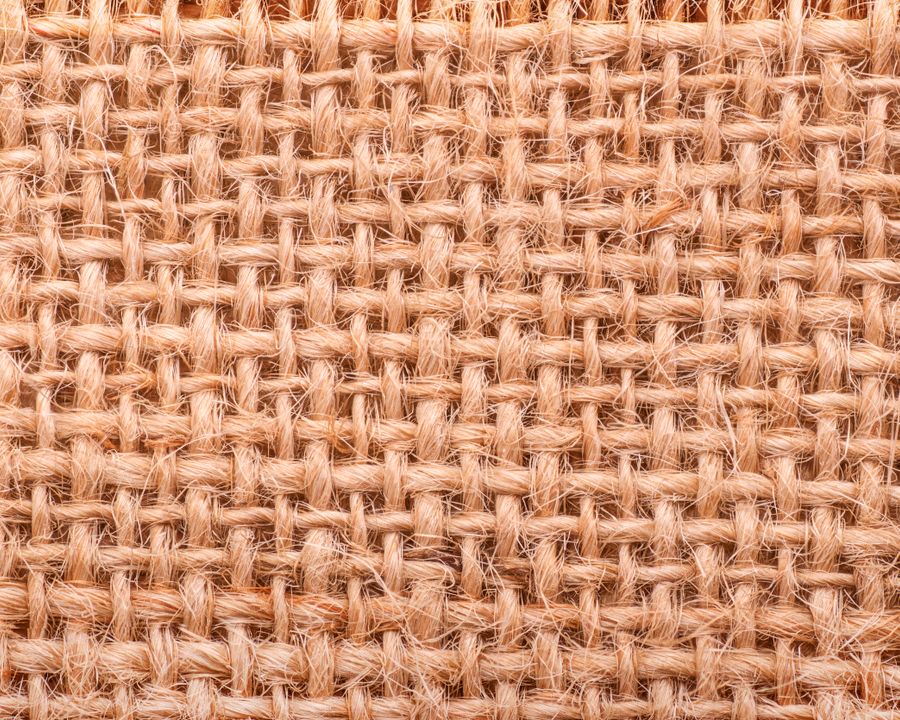
Weave construction, bag dimensions, porter counts, and finishing are adjustable to buyer specification. Whether you need a B-Twill 44"×26.5" or a bespoke size for a specific commodity, our technical team works to your requirements.
Food-Grade VOT Batching
Our food-grade sacking is produced through Vapour Oil Treatment batching, eliminating mineral oil (MOSH/MOAH) contamination, the standard demanded by coffee roasters, cocoa traders, and nut processors in Germany, France, and the Netherlands.
Third-Party Inspection Ready
SGS and Bureau Veritas inspection can be arranged at buyer request before FCL departure from Chittagong port. All shipments travel under HS Code 6305.10.00 for jute sacks and bags of jute.
Product Families and the Buyers Who Use Them
Zayin's jute product range is structured around end-use rather than simply fibre type. Each product family targets a distinct buyer segment and commodity flow:
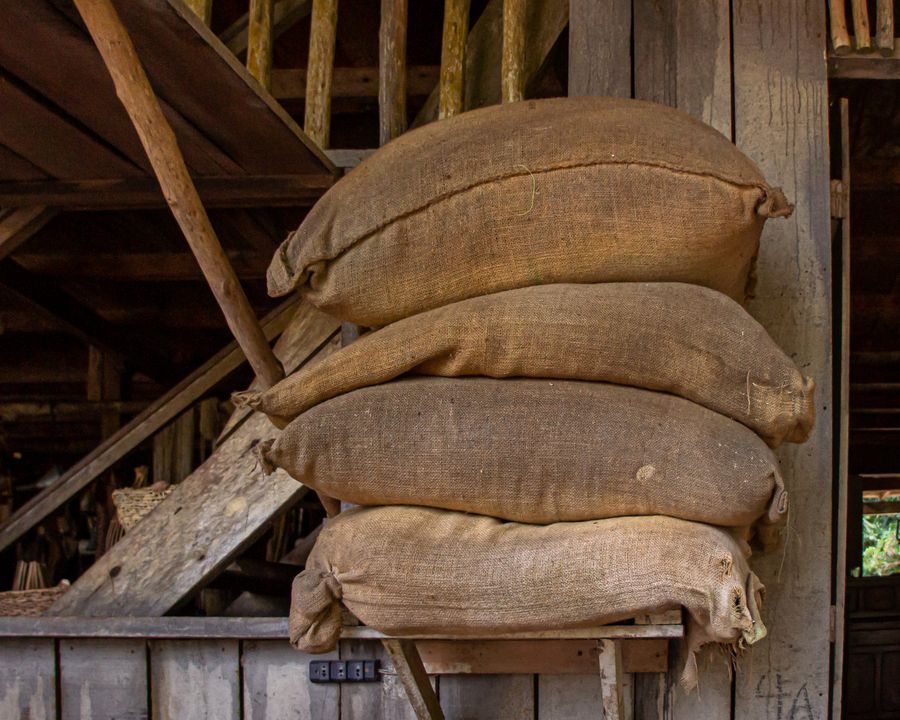
Sacking Bags (B-Twill, Binola, DW): The core export volume product. Grain traders, commodity houses, agricultural co-operatives, and WFP procurement programmes in Europe, the UK, and the GCC rely on heavy-duty jute sacks for cocoa, coffee, cashew, cottonseed, oilseeds, rice, wheat, and pulses. Germany and the Netherlands are the primary European destinations; Saudi Arabia and the UAE are the leading GCC markets.
Food-Grade & VOT Bags: Specifically designed for direct food contact, coffee 60 kg export bags, cocoa bags, and similar. The VOT batching process is the key differentiator for buyers in France, Germany, and the Netherlands subject to EU food contact material regulations. See our food-grade bags and VOT bags pages for full specification detail.
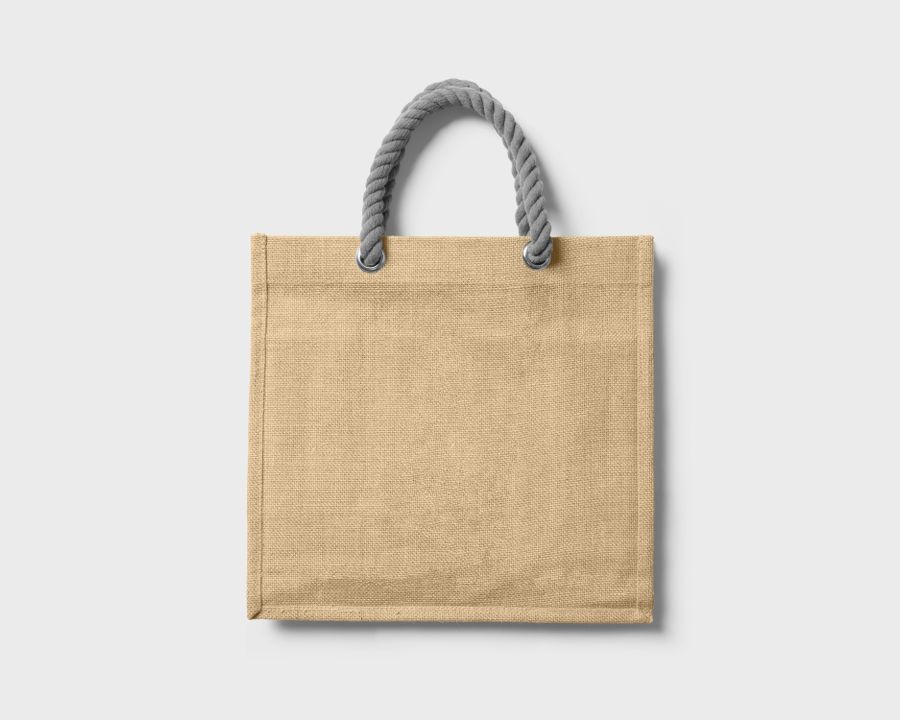
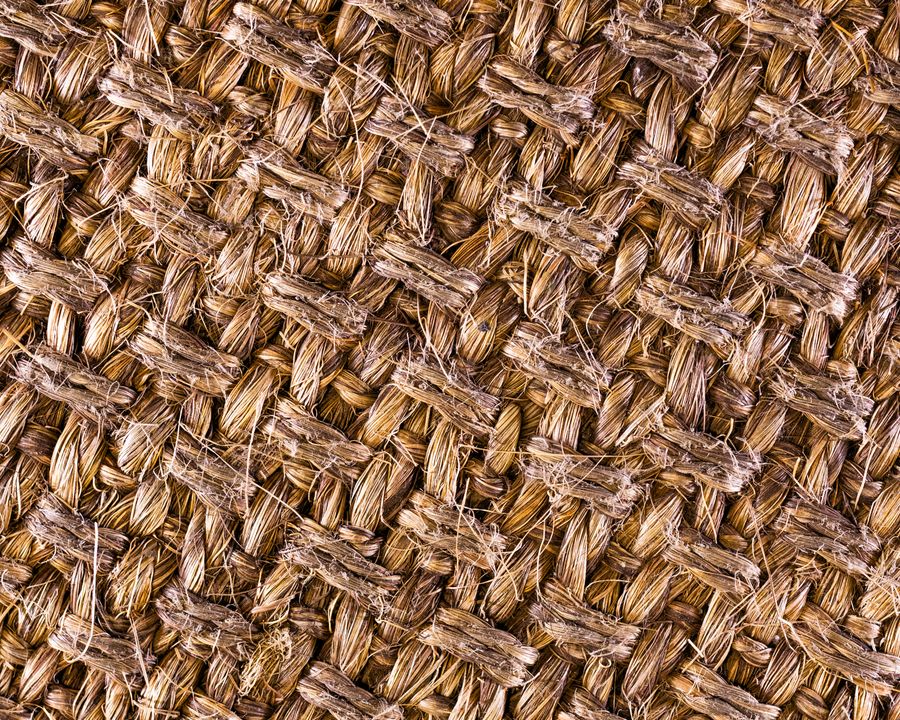
Hessian Cloth & Bags: Open-weave hessian is used extensively in furniture upholstery, construction underlays, erosion control, and agricultural wrapping across the UK and Continental Europe.
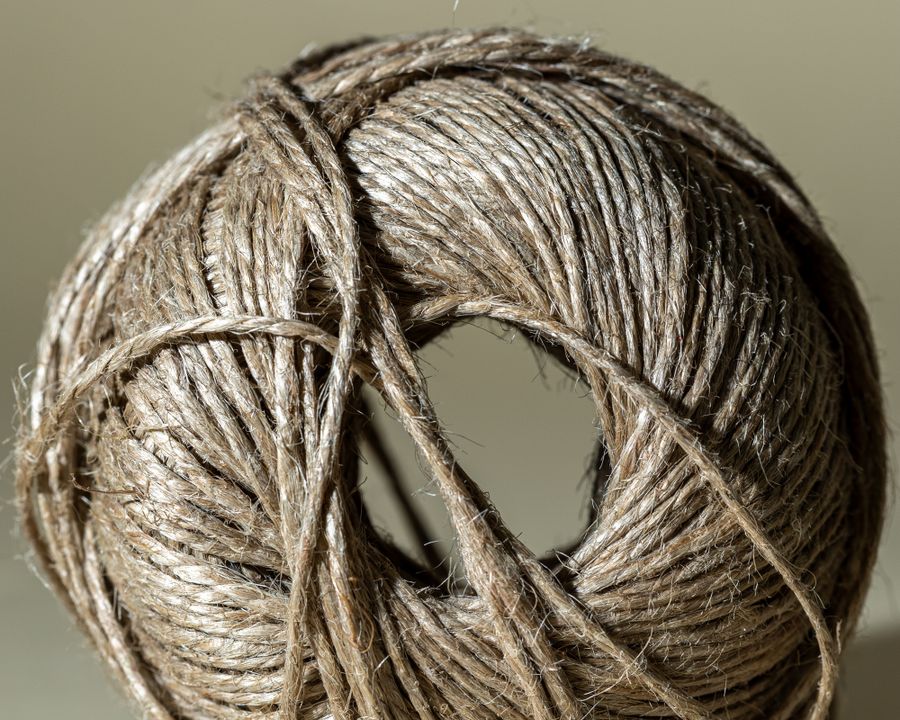
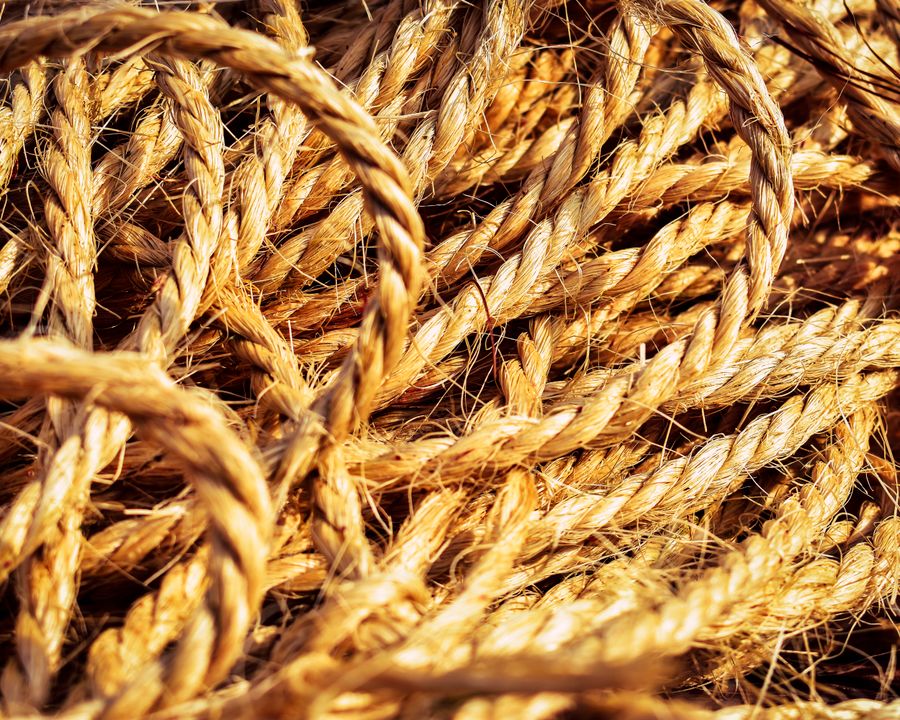
Jute Yarn & Rope/Twine: Supplied to rope manufacturers, craft and home goods producers, and specialist industrial buyers. Twine grades vary from fine hand-binding to heavy-duty agricultural twine.
Jute Geotextile: Woven and non-woven geotextile for civil engineering, slope stabilisation, and riverbank erosion control, an area of growing procurement interest from infrastructure buyers in Europe and the GCC.
Sustainability: The Commercial Case for Jute in 2025 and Beyond
Jute's environmental credentials are not simply marketing language, they are measurable and increasingly tied to regulatory compliance. Raw jute is fully biodegradable, breaking down in soil within approximately two years under normal conditions. The growing crop absorbs an estimated 15 tonnes of CO₂ per hectare per year, making it carbon-negative across its lifecycle. No synthetic inputs are required at scale; the crop improves soil structure through natural leaf litter.
For procurement and sustainability teams in Germany, the Netherlands, the UK, and France, this matters in two ways. First, it provides a direct, auditable response to the EU Single-Use Plastics Directive, which restricts or bans single-use plastic packaging across member states. Second, it aligns with the trajectory of the Packaging and Packaging Waste Regulation (PPWR), which sets reuse and recyclability requirements across the full packaging lifecycle. Jute sacks and bags are reusable, compostable, and carry no microplastic contamination risk, a combination no synthetic packaging material can replicate at commercial scale.
Certification documentation, including relevant environmental declarations, is available on request and forms part of our compliance roadmap for key market requirements. Buyers who need specific compliance evidence for their own supply chain audits are encouraged to raise this during the quoting process.
BUYER FAQ
Common Questions from Importers & Commodity Buyers
What is the minimum order quantity (MOQ) for jute products?
MOQ varies by product. For jute sacking bags, the typical minimum is 10,000 bags per order, which corresponds to roughly half a 20-foot FCL. Full container orders of 19,000 bags (20' FCL) attract the best FOB Chittagong pricing. Smaller trial orders for qualification purposes can be discussed, please raise this in your enquiry and we will confirm feasibility by product type.
What are the standard lead times from order confirmation to shipment?
For stock weave constructions (B-Twill, Binola, DW), lead time is typically 15–30 working days from order confirmation and deposit receipt to FCL loading at Chittagong. Custom weave, non-standard dimensions, or large-volume orders may require additional production time. We recommend building 6–8 weeks of total shipping buffer for buyers importing into Europe or the GCC for the first time.
Can we receive samples before placing a full order?
Yes. Pre-production samples of standard weave constructions are available on request. Sample lead time is typically 7–10 working days. Courier costs for sample shipment to Europe or the GCC are borne by the buyer. For bespoke specifications, a sample approval step is standard procedure before we commit the full production run.
What makes Bangladesh jute different from Indian jute in quality terms?
Both countries produce commercial-grade jute, but Bangladesh's Brahmaputra-Ganges delta growing conditions consistently yield longer fibre lengths and higher tensile strength, the characteristics that matter most for heavy-duty sacking. Bangladesh jute also benefits from a denser network of specialised mills and a longer uninterrupted export tradition in premium grades. The difference is most pronounced in food-grade and high-porter-count weaves where fibre consistency directly affects bag integrity under load.
What is the HS code for jute sacks and bags?
Jute sacking bags, including B-Twill, Binola, and DW constructions, are classified under HS Code 6305.10.00 (sacks and bags of a kind used for the packing of goods, of jute or other textile bast fibres). This code applies to import tariff calculation and customs documentation across EU, UK, and GCC jurisdictions. Buyers should verify any applicable preferential duty rates under relevant bilateral trade agreements.
How do I request a quote from Zayin Trade International?
Use our quote request form and specify product type, weave construction, quantity, delivery port, and any compliance or certification requirements. For complex or multi-product enquiries, include your intended commodity, packing requirements, and target delivery window. Our team typically responds within one business day.
Related Guides & Products
Explore our full product range and specification guides: Jute Sacking Bags (B-Twill, Binola, DW, full specs and container loading data)Food-Grade Jute Bags (EU food contact compliant options)VOT Food-Grade Bags (MOSH/MOAH-free batching for coffee and cocoa trade), and Coffee 60 kg Export Bags. Ready to move forward? Request a quote and our team will respond within one business day.
07 Request a quote
Send your spec. Get a real quote within 2 hours.
Specs, MOQ, pricing and lead times. Clear numbers, no runaround.